
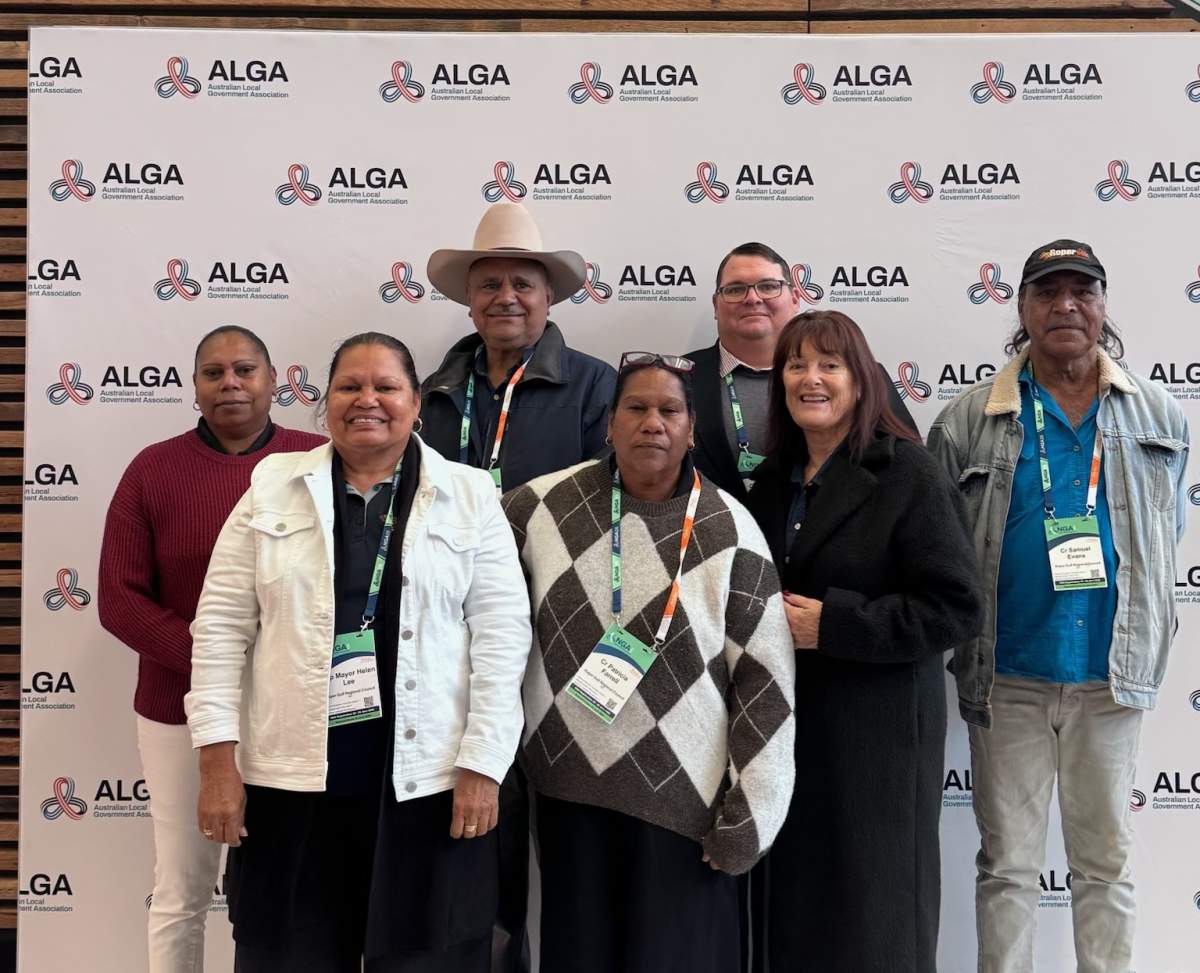
Roper Gulf Regional Council has spent the past week in Canberra making sure the voices of our remote communities are heard where decisions are made.
Mayor Tony Jack, CEO David Hurst, councillors and executive staff met with Federal Ministers, Members of Parliament and government representatives. They also appeared before a Parliamentary inquiry into local government funding and attended the National General Assembly of Local Government.
These conversations are about one thing: making sure the realities of life in the Roper Gulf are understood and reflected in national decisions.
Sharing the reality of remote service delivery
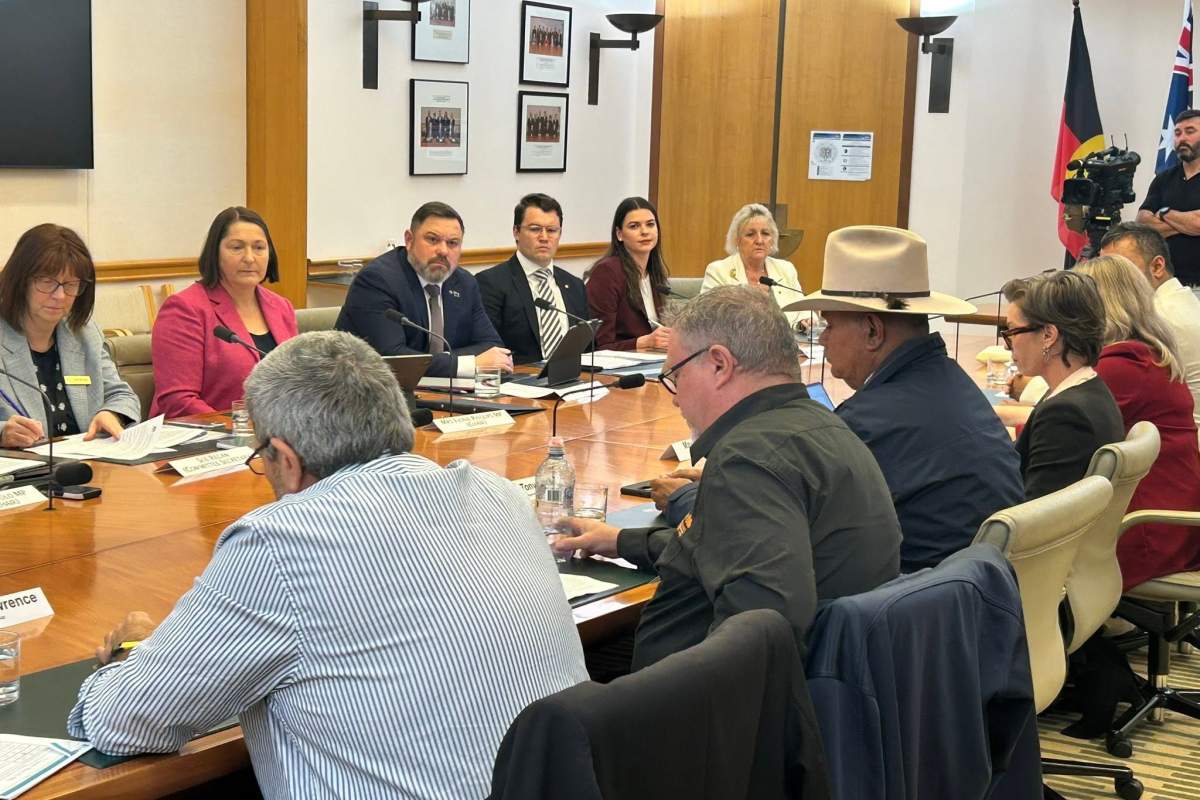
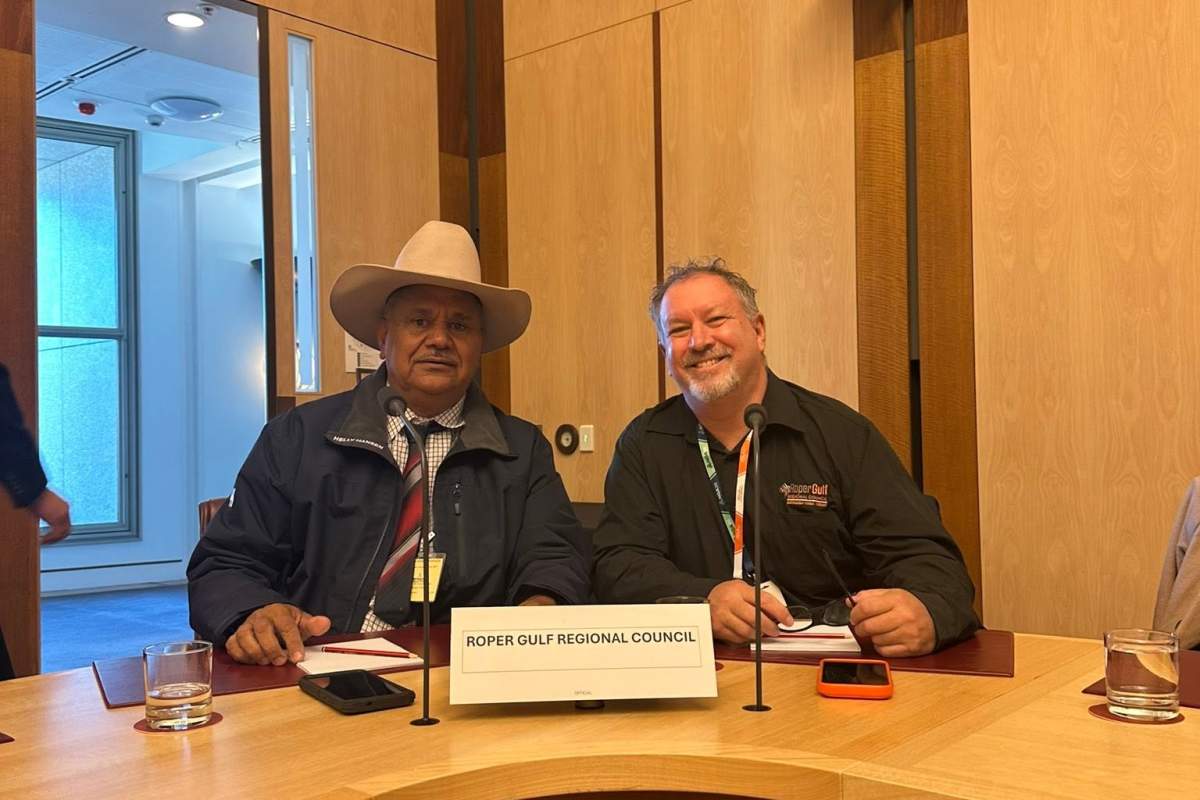
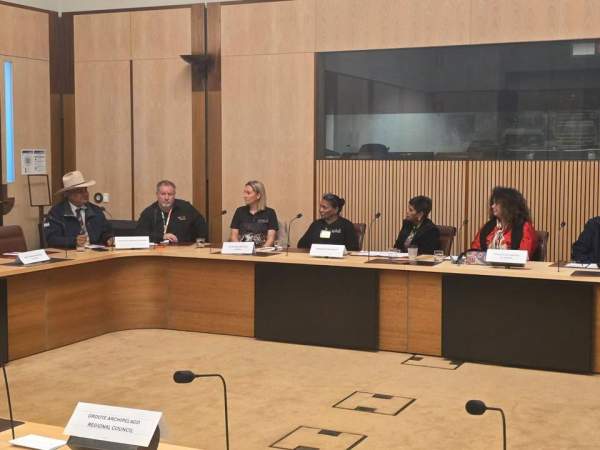
Mayor Tony Jack and CEO David Hurst represented Council at the Parliament House Standing Committee on Regional Development, Infrastructure and Transport.
They spoke about what it takes to deliver services across Australia’s largest and most remote regions.
Roper Gulf Regional Council supports more than 7,000 residents across around 200,000 square kilometres, delivering over 40 services with a workforce of nearly 300 people, most of whom are local Aboriginal staff.
Mr Hurst explained that while councils are often known for roads, rubbish and rates, the role of remote councils is much broader.
“We provide a whole gamut of other community services from womb to tomb.”
Council delivers childcare, school nutrition programs, youth services, sport and recreation, aged care, libraries, community safety and municipal services. These services are essential to everyday life in our communities and play a key role in Closing the Gap.
He highlighted Council’s award-winning Children’s Services, which provide culturally safe early learning and support to parents, especially young mothers, to take part in work and training.
He also spoke about the importance of aged care that allows Elders to stay on Country, connected to family and culture.
Using Numbulwar as an example, Mr Hurst said that without local childcare, many young women are limited in their ability to work or build independence.
He explained that Council already has the people, systems and community trust to deliver these services. But in many communities, when Council is not funded to provide them, no other provider steps in and the services are simply not delivered, leaving real gaps for families.
Recognising Aboriginal-controlled councils
Council also raised concerns about how current funding models work.
With 10 of 13 elected members being Aboriginal leaders, and most staff coming from local communities, Roper Gulf Regional Council is, in practice, an Aboriginal-controlled organisation.
Despite this, funding rules do not always recognise this. In some cases, Council is not eligible to deliver services that communities are asking for.
“Our communities know and trust Council. When we can’t deliver these services, too often nobody steps in,” Mr Hurst said.
Council is calling for funding models that recognise the governance, experience and strong track record of Aboriginal-controlled regional councils.
Taking local priorities to Canberra
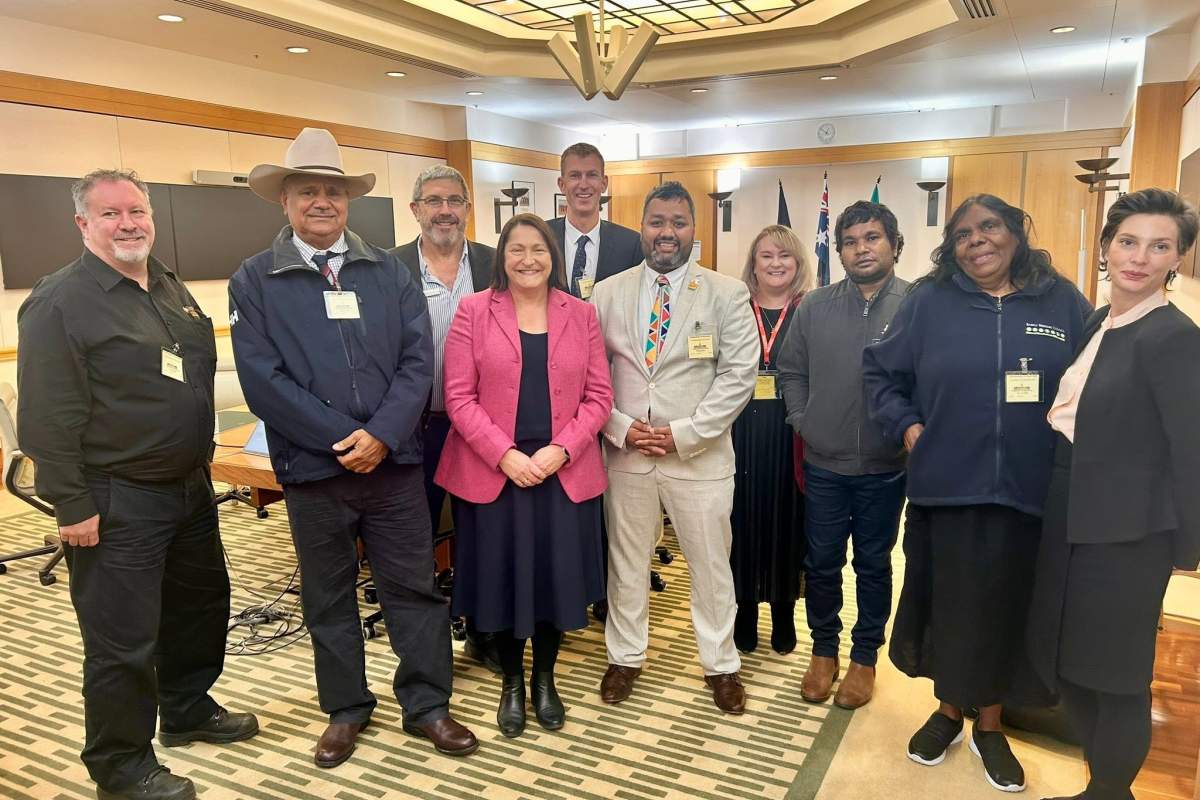
Outside of the hearing, Council met directly with Ministers and decision-makers to continue these conversations, including the Minister for Indigenous Australians, Senator the Hon Malarndirri McCarthy, and the Member for Lingiari, Marion Scrymgour MP.
These meetings are an important way to explain the challenges remote councils face and to push for practical solutions that work for our communities.
National advocacy for remote communities
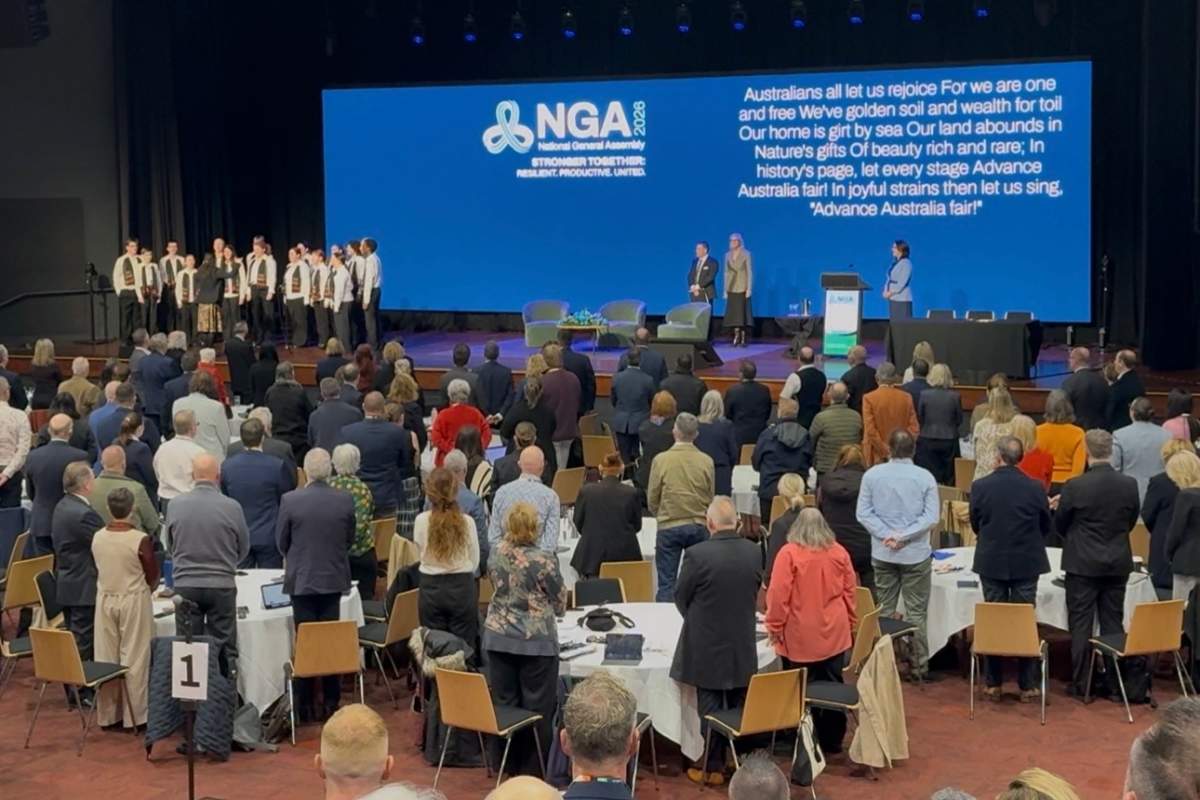
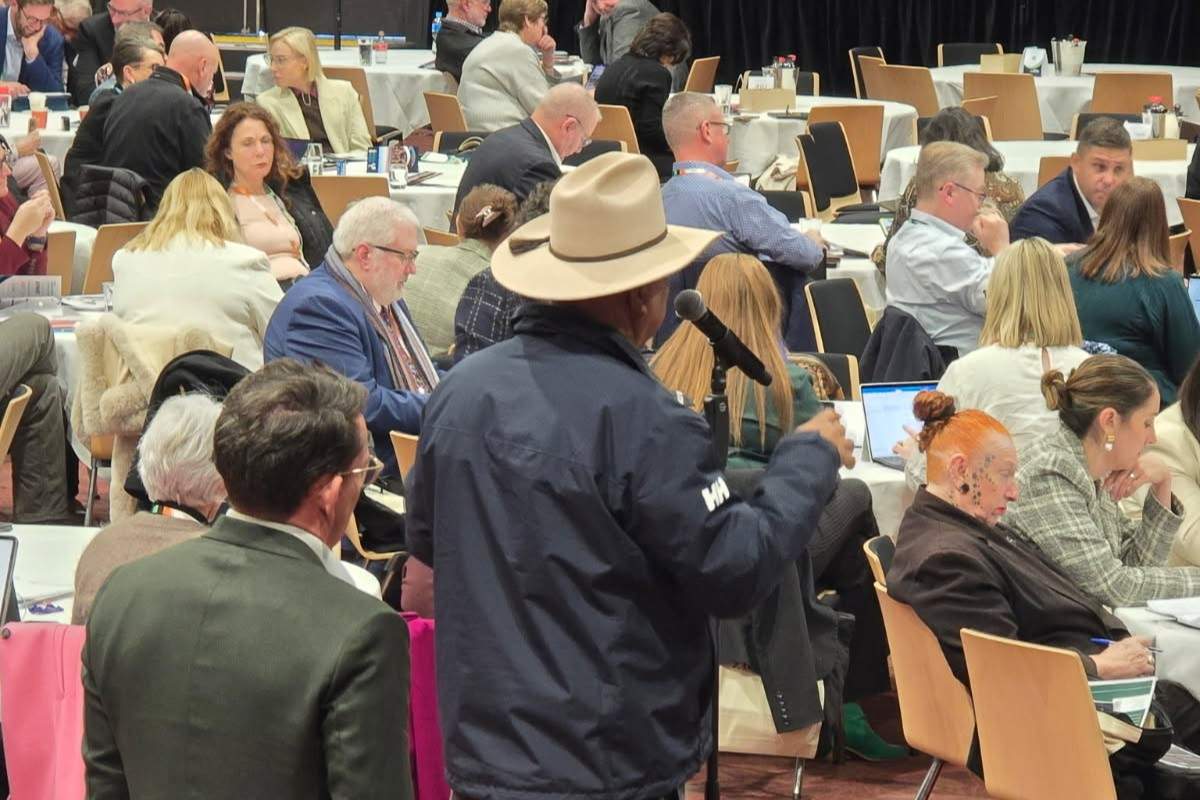
At the National General Assembly of Local Government, Council put forward the following motions highlighting issues that directly impact remote communities.
These motions called on the Australian Government to review:
Funding and planning for critical logistics infrastructure in remote and Aboriginal communities
Access to childcare services in regional and remote areas
How governments consult with remote communities on planning and policy decisions
Oversight of NDIS service providers to better protect vulnerable participants
Water planning and security, including stronger local input in decision-making
These priorities reflect the real challenges our communities face every day, from access to essential services to being properly heard in decisions that affect them.
All of these motions are about practical changes that would better support remote communities and recognise the importance of local knowledge, local delivery, and community-led solutions.
A strong voice for the Roper Gulf
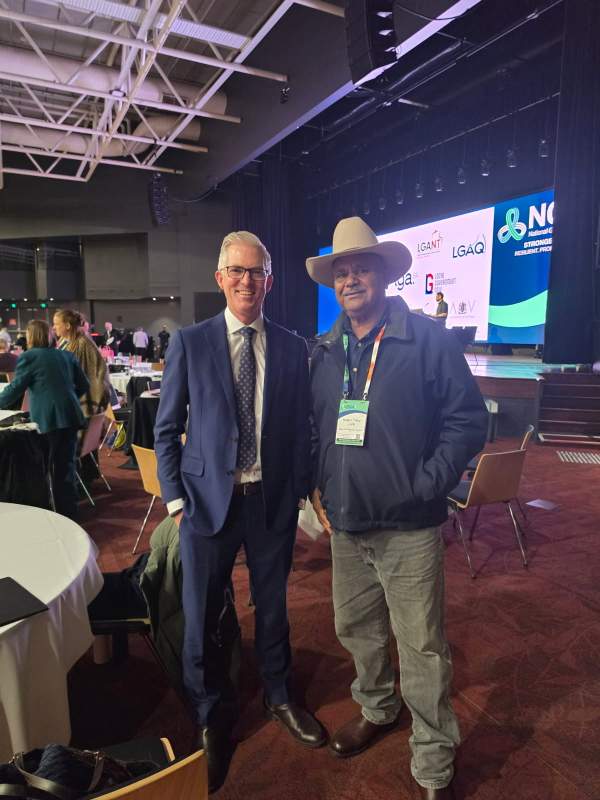
Mayor Tony Jack said the visit was an important opportunity to speak up for remote communities.
“Every conversation we have in Canberra is about creating better opportunities for our people. By sharing what our communities experience every day, we can help shape better decisions for remote Australia.”
Roper Gulf Regional Council will continue working with all levels of government to improve services, strengthen communities, and advocate for the people of our region.
